With the U.S. presidential election approaching, and Trump now leading in the polls, it feels timely to revisit the global economic shifts that are unfolding. The question of how sanctions affect major powers like Russia has been a focal point of U.S. foreign policy. But beyond sanctions, there’s a deeper narrative: one that highlights how natural resources — particularly oil — have protected Russia from the full impact of these economic pressures. This story also provides a glimpse into the future of financial systems, including the evolution of crypto and the tokenization of real-world assets (RWAs).
Russia’s Oil-Backed Economy: Resilience Amid Sanctions
Despite the coordinated efforts of the U.S. and its allies, Russia has maintained a resilient economy, largely due to its vast natural resources. By 2024, trade between Russia and major global players like China and India reached unprecedented levels, undermining the effectiveness of Western sanctions. These nations, home to a combined 2.84 billion people (or 35.5% of the global population), have become key trade partners for Russia.
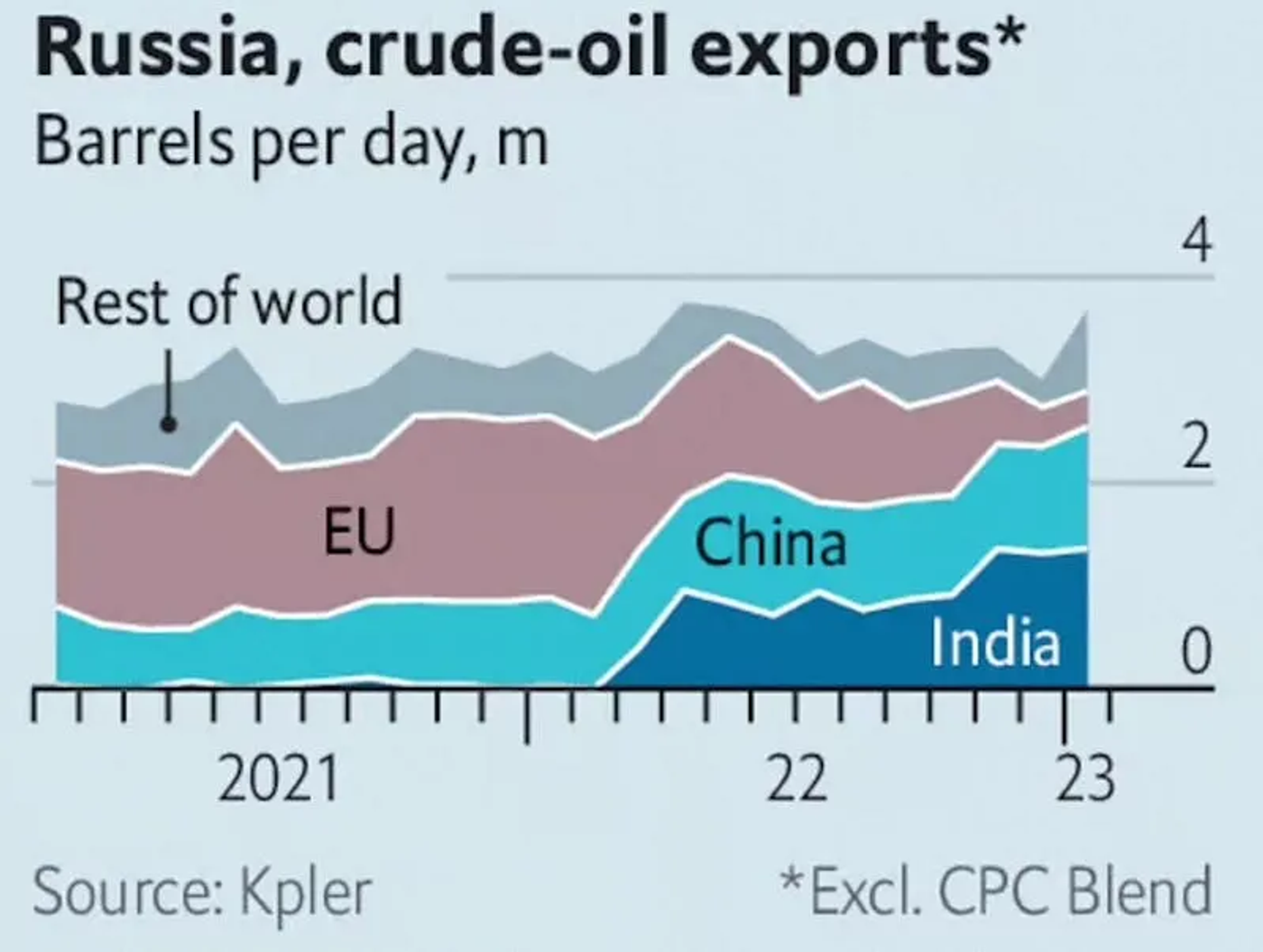
Much like the U.S. during its economic surge in the 1980s, both India and China are focused on achieving rapid economic expansion and improving the standard of living for their populations, offering their citizens their own version of the “American Dream.” However, unlike the West, which has increasingly embraced green energy, both countries continue to rely heavily on traditional energy sources, particularly (cheap) oil, to fuel their growth.
Russia’s strategic trade partnerships, particularly with these two economic powerhouses, have highlighted a recurring theme in global economics: real-world assets, such as oil, continue to hold immense value and serve as a lifeline for economies under pressure. This underscores the limitations of sanctions and economic coercion, especially when they are not enforced globally.
The Limitations of Sanctions Without Global Compliance
Without broad international support, economic measures often fall short of their intended impact. Russia’s ability to maintain robust trade relationships with India and China is a testament to the limitations of Western sanctions. While the U.S. has cautioned China against providing direct military support to Russia, controlling dual-use items — goods that have both civilian and military applications — remains a significant challenge. Similarly, India’s continued trade in Russian energy products has exposed gaps in the West’s ability to curtail these economic interactions.
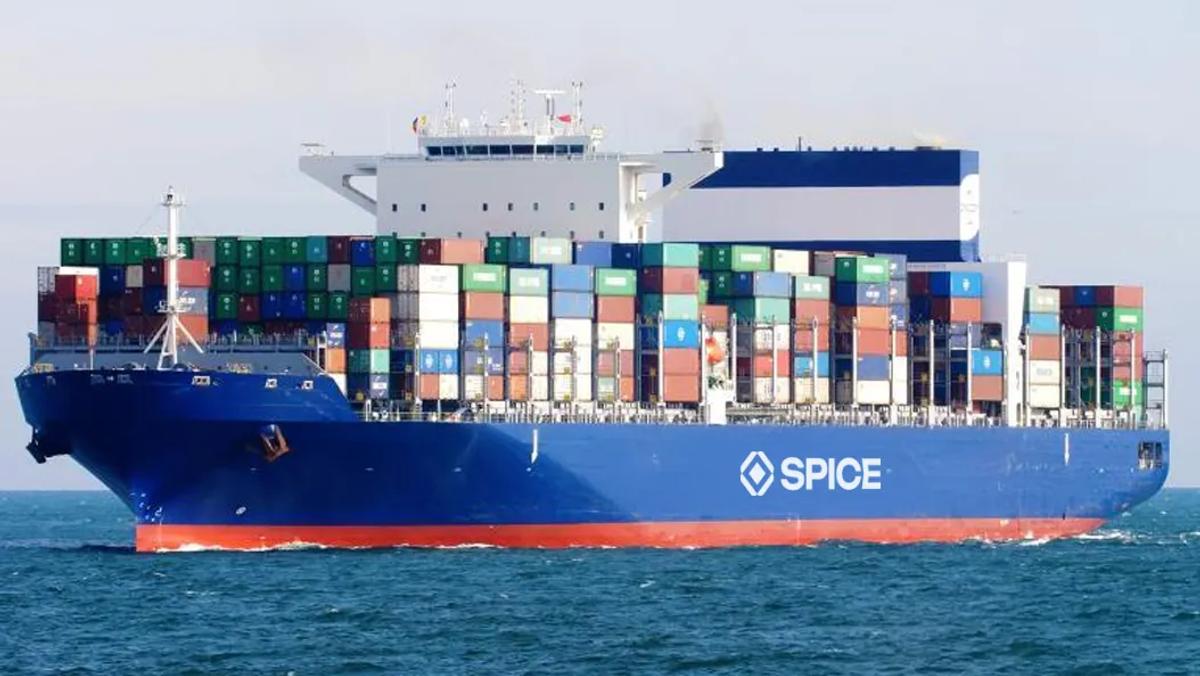
Oil exports remain a critical pillar of Russia’s economy. Despite a $60 per barrel price cap imposed by the U.S. and its allies, Russia has circumvented these restrictions through a “shadow fleet” of vessels, allowing it to transport up to 70% of its maritime oil. Consequently, Russia’s revenues have surged, fueling defense spending. India, a major importer of Russian oil, has benefited from discounted prices, further supporting Russia’s economic strength.
Even Saudi Arabia, typically one of the largest oil producers in the world, seized the opportunity to purchase discounted Russian oil in mid-2022. This strategic move allowed Saudi Arabia to export more of its own crude oil at higher prices, maximizing profits while leveraging Russia’s discounted energy. This highlights a broader truth: no matter the obstacles — sanctions included — commodities and assets with intrinsic value will always find their way into the hands of buyers.
The Parallels Between Commodity-Backed Economies and Tokenized Real-World Assets in Crypto
Taking a step back, it’s clear that the parallels between the ruble’s oil-backed resilience and the emerging trend of crypto tokens being backed by real-world assets (RWAs) are striking. As the ruble’s stability amid sanctions is largely attributed to oil, we’re now witnessing a similar evolution in the crypto space, where tokenized RWAs are beginning to form the foundation of a new, more stable decentralized finance (DeFi) ecosystem.
This reliance on oil to stabilize economies — Russia being the most prominent example — highlights the immense value that real-world assets provide in preserving purchasing power and economic stability. Tokenizing these assets within the crypto world is rapidly gaining momentum. Tangible assets like oil, real estate, and commodities are now being represented on-chain, offering a stable foundation for the next generation of crypto.
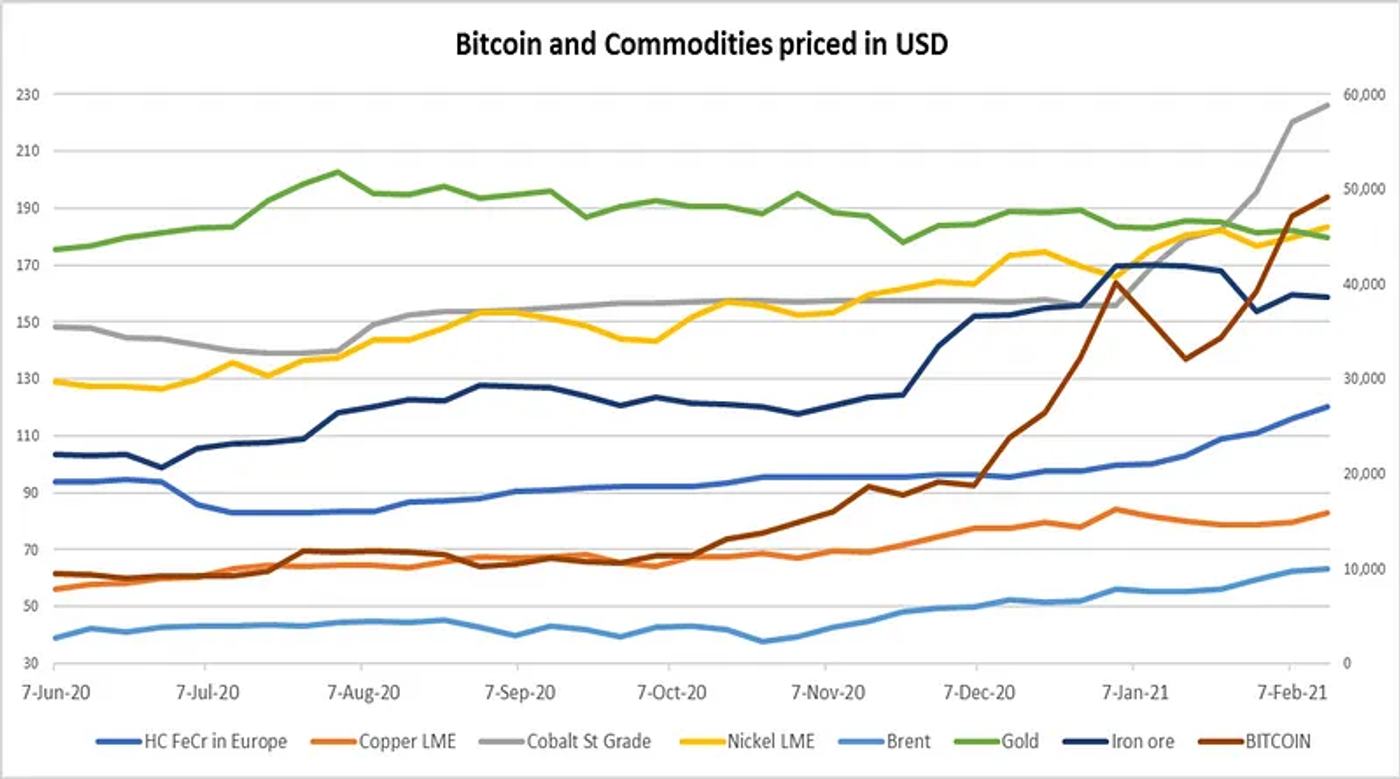
How RWAs Can Stabilize the Crypto Economy
The ruble’s ability to withstand sanctions illustrates how real-world assets, when tokenized, can provide similar stability to digital economies. Tokenization allows crypto markets to access traditionally off-limits sectors, such as energy and commodities, offering investors exposure to assets that are more stable than purely speculative tokens. Just as oil serves as a critical reserve for Russia, tokenized RWAs can act as stabilizing forces for digital assets, mitigating the volatility that has often plagued the crypto space.
The Australian dollar (AUD) offers another example. Often referred to as a commodity currency, the AUD’s value is heavily influenced by the prices of key exports, including iron ore, coal, and natural gas. The AUD’s fluctuations closely mirror shifts in global commodity markets — demand booms, like those in 2010–2011, strengthened the currency, while slumps, such as in 2014–2015, weakened it. This dynamic will soon be mirrored in the crypto world as tokenized RWAs follow similar patterns, tying the value of digital assets to tangible resources.
The Future of Crypto Is in Real-World Assets
Looking ahead, it’s clear that the backbone of crypto will likely be formed by real-world assets, providing a critical bridge between traditional finance and DeFi. Tokenizing oil, real estate, and other high-value assets will allow the crypto economy to build real, sustainable value. This shift won’t just offer investors more secure, asset-backed tokens; it will also drive mainstream adoption, as RWAs offer the kind of stability and trust that purely speculative cryptocurrencies often lack.
By anchoring its future in tokenized RWAs, DeFi can finally break free from the volatility of speculative assets. The tokenization of commodities, real estate, and other tangible assets will not only create a more stable crypto economy but will also unlock an influx of fresh liquidity into DeFi — an ecosystem that has been trapped in a self-reinforcing cycle of speculation. This challenge has been recently highlighted by @VitalikButerin, who pointed out the limitations of a purely speculative DeFi environment.
Unlocking the Next Wave of Growth for DeFi
This injection of real-world capital will expand the investment landscape, providing the security, sustainability, and momentum needed to attract new participants. Tokenized RWAs will allow DeFi to evolve into a more inclusive and robust system, one that integrates the strengths of traditional finance with the innovation of blockchain technology. Ultimately, this shift will drive the next wave of growth for DeFi, transforming it from a speculative playground into a stable, asset-backed financial ecosystem that brings lasting value.